Compact Induction Cooktops for Fast Heating and Reliable Kitchen Performance
- How Portable Induction Cooktops Work
- Induction Coil Design and Performance Differences
- Power Levels and Real Cooking Behavior
- Temperature Settings and Control Stability
- Cookware Compatibility
- Why Portable Induction Beats Hot Plates
- Ventilation and Fan Noise
- Best Use Cases for Portable Induction Cooktops
- 10 Amazon Portable Induction Cooktops (Pricing, Pros, Cons, Reviews)
- Product Highlights and User Impressions
- Duxtop 1800W Portable Induction
- Nuwave Flex Induction
- Cuisinart Single Induction
- Duxtop Professional Sensor
- Mueller Rapid Induction
- Max Burton Digital Induction
- Hamilton Beach Induction Plate
- iSiLER Induction Cooktop
- Nuwave Gold Induction
- Duxtop Twin Countertop
- Power Selection Recommendations
- Pans for Induction: What Works Best
- Advantages of Portable Induction
- Important Safety Features
- Maintenance and Cleaning
- Final Understanding
Portable induction cooktops are transforming home and professional kitchens. They heat faster than gas or electric coils, they are energy-efficient, safer to handle, and easier to clean. Instead of transferring heat from a flame or heated metal coil, induction applies magnetic energy directly into the metal of the pan. The cooktop surface stays cooler, cooking becomes highly responsive, and overall control improves.
Portable induction cooktops fit homes with limited kitchen space, travel trailers, dorm rooms, seasonal cabins, RVs, and catering environments. They provide fast boiling for pasta, controlled simmering for sauces, precision for candy making, bacon sears, wok sautéing, and low-temperature tempering without burning. Their compact nature allows placement on countertops, patios, service lines, or prep stations where large appliances cannot fit.
Understanding coil design, power level, temperature curves, airflow, cookware compatibility, and control responsiveness helps maximize cooking performance. The right induction cooktop paired with the right magnetic pans can outperform expensive built-in cooktops.
How Portable Induction Cooktops Work
Induction generates a magnetic field under the glass surface. When a magnetic pan sits on the surface, currents pass into the metal and heat forms directly inside the cookware. Heat does not start in the cooktop. This allows:
-
Faster heating speed
-
Less wasted energy
-
Quick temperature changes
-
Cooler glass surface
-
Reduced indoor heat load
-
Safe edges for kids or pets
Portable induction is not a simple replacement for electric coil plates. Induction creates heat inside the pot faster than a stove can transfer heat under the pot.
The glass surface remains warm only from reflected pan heat, not from thermal coils. This reduces risk of accidental burns and eliminates excess kitchen heat during summer cooking.
Induction Coil Design and Performance Differences
All induction cooktops are not built with identical magnetic coils. Coil size, shape, turns, and depth affect heating uniformity. Large coils create even heat distribution across cookware diameter. Smaller coils concentrate heat toward the center.
Coil characteristics improve:
-
Sear consistency
-
Edge heating uniformity
-
Temperature stability
-
Wok responsiveness
-
Simmer finesse
Higher-quality induction plates have deeper coils that maintain steady power at lower settings. Shallow coils pulse more aggressively, producing inconsistent simmer.
Coil quality determines whether a portable induction cooktop behaves like a premium full-sized cooktop or a basic burner. The coil is the heart of induction.
Power Levels and Real Cooking Behavior
Portable induction cooktops list wattage such as 1200W, 1500W, or 1800W. Higher wattage provides faster searing and quicker boil times. When heating large pots or thick pans, high wattage reduces recovery time significantly.
A strong portable induction burner can:
-
Boil 1 liter of water faster than gas
-
Deliver a tight sear on chicken or steak
-
Hold a precise sugar temperature
-
Bring soups from warm to hot in seconds
-
Maintain low simmer without scorching
Lower wattage units still cook efficiently but require more time for thick pans and high-volume soups.
Power matters for:
-
Cast iron
-
Carbon steel
-
Deep stock pots
-
Thick-bottomed stainless sets
Smaller wattage levels are fine for basic uses such as eggs, quesadillas, grilled cheese, sautéed vegetables, sauces, and tea kettles.
Temperature Settings and Control Stability
Not all induction units measure temperature at the same point. Some models estimate by wattage pulses rather than real pan surface temperature. This creates bouncing or stuttering heat patterns at low simmer.
Better models use closed-loop sensors that detect pan and surface heating through feedback. These units control simmer smoothly and maintain delicate sauce stability without pulsing.
Temperature control is important for:
-
Custards
-
Chocolate tempering
-
Wine reduction
-
Caramel
-
Low simmer stews
-
Oatmeal or porridge
-
Slow poached fish
-
Cream soups
Stability equals less stirring, less scorching, and lower stress.
Cookware Compatibility
Induction requires magnetic metals. Stainless steel works if it contains magnetic layers, carbon steel works perfectly, most cast iron works, and some modern aluminum pans have induction-ready bases.
A simple magnet test reveals whether cookware works on induction. If the magnet sticks strongly, the pan is compatible.
Pan flatness also matters. A warped base interrupts full energy transfer, leading to slower heating and loud vibration. Quality pans have thick bases that remain stable under heat.
Cookware choices for induction:
-
Carbon steel skillets
-
Stainless steel tri-ply sets
-
Cast iron Dutch ovens
-
Magnetic-bottom nonstick sets
-
Wok pans with induction bases
Induction thrives on stable, heavy pans because they hold heat smoothly and distribute energy evenly.
Why Portable Induction Beats Hot Plates
Electric coil plates waste heat transferring energy upward. They heat slowly and recover slowly. Gas burners release heat that spreads around the pan, not inside the pan.
Induction advantages include:
-
Rapid heating
-
Lower energy cost
-
Cleaner indoor air
-
Cooler kitchen
-
Safer surface
-
Quick boil
-
Controlled sauté
-
Minimal indoor humidity
-
Instant low simmer
Portable induction devices allow restaurant-style finishing without expensive installations.
Ventilation and Fan Noise
Induction cooktops contain internal cooling fans to dissipate heat from coils and components. Fans run automatically with power demand and shut down after the pan is removed.
Basic units produce low hum. Premium units maintain quieter airflow and more efficient heat sinks. Fan performance relates to coil power and circuit board protection.
Some fan noise is normal, similar to laptop cooling. It prevents overheating and preserves long-term reliability.
Best Use Cases for Portable Induction Cooktops
-
Apartment kitchens without full-range installation
-
Outdoor cooking areas or patios
-
RVs and campers
-
Dorm rooms
-
Catering prep lines
-
Basement bars
-
Quick omelet stations
-
Studio apartments
-
Assisted living suites
-
Vacation cabins
-
Office lunch setups
They provide restaurant-level performance without redesigning a kitchen.
10 Amazon Portable Induction Cooktops (Pricing, Pros, Cons, Reviews)
| Model | Price | Pros | Cons |
|---|---|---|---|
| Duxtop 1800W Portable Induction | $99 | Fast heating, stable control | Fan louder at high power |
| Nuwave Flex Induction | $79 | Great simmer stability | Plastic frame feel |
| Cuisinart Single Induction | $129 | Strong coil quality | Higher price |
| Duxtop Professional Sensor | $139 | Best simmer precision | Slightly heavier |
| Mueller Rapid Induction | $79 | Simple interface | Lower wattage modes |
| Max Burton Digital Induction | $119 | Good searing | Temperatures bounce slightly |
| Hamilton Beach Induction Plate | $69 | Budget-friendly | Basic coil |
| iSiLER Induction Cooktop | $69 | Quiet and compact | Small pan support |
| Nuwave Gold Induction | $149 | Advanced control curves | Requires attention to fan airflow |
| Duxtop Twin Countertop | $179 | Two cooking zones | Larger footprint |
Product Highlights and User Impressions
Duxtop 1800W Portable Induction
A popular cooktop for home and RV use.
Price: $99
Pros: Fast boiling, consistent searing, intuitive controls
Cons: Fan ramps at max setting
Reviews: Users love its responsiveness for daily cooking and fast cleanup.
Nuwave Flex Induction
Designed for finer temperature stabilization.
Price: $79
Pros: Excellent low simmer finesse
Cons: Plastic body feels less premium
Reviews: Ideal for sauces, candy work, and slow liquids.
Cuisinart Single Induction
Higher-tier coil and strong durability.
Price: $129
Pros: Excellent sear and stable power
Cons: Higher price compared to budget units
Reviews: Delivers restaurant-level sauté performance.
Duxtop Professional Sensor
Exceptional simmer control accuracy.
Price: $139
Pros: Best low-heat stability among most portable units
Cons: Slightly heavier on countertop
Reviews: Chefs praise its temperature discipline.
Mueller Rapid Induction
Practical budget unit with stable everyday power.
Price: $79
Pros: Compact, safe and easy to use
Cons: Limited high-power extremes
Reviews: Good for dorms and basic kitchens.
Max Burton Digital Induction
Solid heating speed with responsive coil.
Price: $119
Pros: Quick sear and sauté ability
Cons: Some pulse bounce at low simmer
Reviews: Great for food trucks and stations.
Hamilton Beach Induction Plate
Budget-friendly and entry-level.
Price: $69
Pros: Easy storage
Cons: Lower coil sophistication
Reviews: Good for tea kettles and one-pan meals.
iSiLER Induction Cooktop
Minimal fan noise and smooth user interface.
Price: $69
Pros: Quiet operation and easy cleanup
Cons: Best for smaller pans
Reviews: Works great for apartments and offices.
Nuwave Gold Induction
More advanced power curves and fine control.
Price: $149
Pros: Excellent performance with heavy pans
Cons: Requires airflow space
Reviews: Outstanding for precision cooking.
Duxtop Twin Countertop
Two-zone portable induction for expanded capability.
Price: $179
Pros: Two burners and professional flexibility
Cons: Larger countertop footprint
Reviews: Loved by families and catering events.
Power Selection Recommendations
For general household cooking, 1500-1800W offers the best versatility. Under 1000W slow recovery happens with thick pans and heavy broth.
Best uses for higher wattage:
-
Stir-fry
-
Pasta boiling
-
Pancake griddles
-
Bacon searing
-
Thick stew stock
Lower wattage units work well for everyday sauces, tea kettles, omelets, and small sauté pans.
Pans for Induction: What Works Best
Ideal pans provide:
-
Magnetic base
-
Flat heavy bottom
-
Even heat thickness
-
Tight-fitting lid
-
Strong handle mount
Carbon steel and stainless steel tri-ply are exceptional, cast iron provides heat retention but may require careful low settings, and nonstick induction bases are practical for eggs and pancakes.
Cookware combinations deliver impressive performance:
-
Stainless steel roasting and braising
-
Carbon steel sauté and wok frying
-
Nonstick breakfast dishes
-
Cast iron stew simmer
Pan selection enhances performance as much as wattage.
Advantages of Portable Induction
-
Zero open flame
-
Cool surface edges
-
Rapid boil
-
Controlled simmer
-
Clean indoor air
-
Precise heat for delicate sauces
-
Easy wipe-down
-
Lower kitchen temperature
-
Safe for tiny apartments
-
Perfect for seasonal outdoor cooking
Induction fits healthy home kitchens effortlessly.
Important Safety Features
-
Auto shut-off when pan removed
-
Low child burn risk
-
Stable power routing
-
Overheat detection
-
Pan recognition
-
Spatter control
-
Spill wipe-down without damage
These features increase peace of mind in family kitchens or compact living spaces.
Maintenance and Cleaning
Use a soft cloth or sponge to wipe spills. Avoid scouring pads. The glass surface resists stains because cooking happens inside the pan, not on the glass. Wipe oils quickly, especially near high-temperature sauté.
Avoid sliding heavy cast iron aggressively on the surface. Lift instead of dragging to protect coating.
Final Understanding
Portable induction cooktops provide exceptional heating precision, efficiency, safety, and space flexibility. With strong coil design, proper wattage, compatible magnetic cookware, and stable temperature control, portable induction becomes a central kitchen tool for full-time meal preparation, entertaining, travel cooking, and apartment living. Their responsiveness changes the cooking experience, making sauté, sear, boil, simmer, and candy-making easier and cleaner.
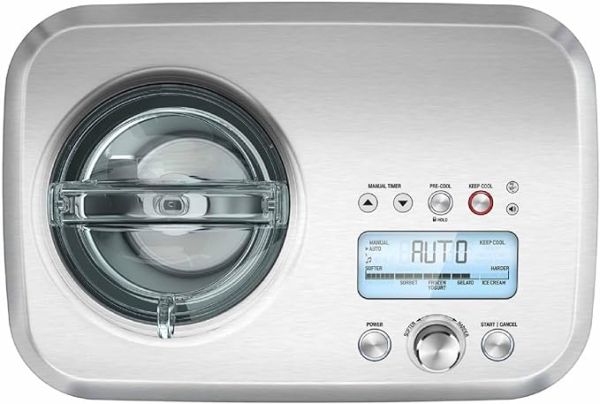
About this item
- Note: Kindly review the videos under the image section and user manual under product details for set up and user guidance
- 12 hardness settings; sorbet, frozen yogurt, gelato, and ice cream, Capacity 1.5 quart (1 Liter) bowl capacity
- Self refrigerating compressor: Voltage: 110 to 120 Volts Power: 165 watts
- Fully automatic or manual functionality: Keep cool setting for up to 3 hours
- Pre cool setting to optimal operating temperature